Palmetto Unified School District 1 (PUSD)
History | Overview of the Palmetto Unified School District | Beliefs of PUSD Teachers |EFA High Schools | Adult Education Centers | Vocational Program | PUSD Matrix|
Contact PUSD | Board of Trustees
District Board of Trustees Meeting Dates:
April 17, 2008
June 12, 2008
August 21, 2008
October 16, 2008
History of Palmetto Unified School District
Palmetto Unified School District (PUSD) began in 1981 by mandate of the South Carolina legislature (SC Statue 24-25-10), to provide educational services to inmates through a statewide school district. The district constitutes the South Carolina Department of Corrections’ Division of Education and is governed by its policies and procedures. Because PUSD is a sanctioned school district it is also mandated to comply with the regulations of the South Carolina Department of Education (SDE).The Division of Education is one of the eight areas that comprise the Division of Programs and Service. PUSD as a school district has a governing board of trustees as well as a district superintendent.
The purpose of this district is to enhance the quality and scope of educational services for inmates within the South Carolina Department of Corrections. PUSD is charged with the mission of maximizing the academic, vocational and life skills of student inmates for their successful return to society. The mission is accomplished through the three R’s:
-
1. Rigor (high standards and expectations)
2. Relevance (appropriate instruction)
3. Relationships (a positive compassionate climate)
Overview of the Palmetto Unified School District
Division of Education
Under the Individuals with Disabilities Education Act (IDEA) students under the age of twenty-two who have had prior placement in special
education programs in public schools must be screened and placed in the least restrictive education environment appropriate with their custody
and security level. These students must have a specific written plan of instruction/activities that is referred to as an IEP (Individualized
Education Plan). All students seventeen through twenty-one years of age are interviewed upon arrival at Kirkland Reception and Evaluation Center (males) or Camille Graham (females) to determine whether they have had prior placement in special education. If the student self reports prior participation he/she is asked to sign a Permission for Release form to secure the necessary psychological and education reports as required by law. Upon receipt of the documentation, an IEP Committee is convened to formulate a thirty-day interim plan for implementation while at the Reception and Evaluation Center. The student is assigned to the special education class at R and E until transferred to the designated facility. The high schools that serve this population are located at Stevenson, Lee, Camille Graham, Trenton, or Turbeville.
The District has nine high schools that are assessed through the Annual Report Card, an evaluation mechanism of South Carolina’s Education Accountability System. The report card provides schools and communities with information on the progress of schools and districts measured against the 2010 national goal of having South Carolina student achievement ranked in the top half of the states nationally. Schools and districts strive for an Improvement and Absolute rating of Excellent. Palmetto Unified has since 2002 consistently received the highest grade possible (Excellent) thus earning the coveted distinction of receiving the Palmetto Gold Award for Excellence. The district is among a select few that receives this honor. The three measures of the district’s effectiveness are the gains made by students on the standardized Test of Adult Basic Education (TABE), the percentage of students receiving a GED, and the percentage of students receiving vocational certifications.
Back to Top
Beliefs of PUSD Teachers
- 1. All students can learn.
2. Learning is a life-long process.
3. There is a supreme being.
4. Education Reduces Crime.
5. The individual is most influenced by the family.
6. Team work:
Together
Everyone
Accomplishes
More
7. Everyone deserves a second chance.
EFA High Schools
There are nine high schools that serve students ages seventeen through twenty-one. These schools are located at Camille Graham, Lee, MacDougall, Ridgeland, Stevenson, Tyger River, Trenton, Turbeville and Wateree. Students at these high schools may work towards completing the twenty-four Carnegie Units for a high school diploma or passing the GED Test. These schools also provide adult basic education instruction for those students older than twenty-one who want to pursue the GED.Many students, twenty-one years old and younger are in need of supplementary enrichment programs to boost their achievement in basic skills, reading, language arts or mathematics. These students are served through Title One labs, which provide specialized instruction, that is above and beyond the students’ regular class participation.
Back to Top
Adult Education Centers
Palmetto Unified in addition to its nine high schools also has under its purview adult education programs. These programs primarily focus on the population over the age of twenty-one.The District has a unique relationship with local school districts statewide. Through a Memorandum of Understanding these school districts work within designated facilities as service providers to expand educational opportunities for students.
Back to Top
Vocational Program
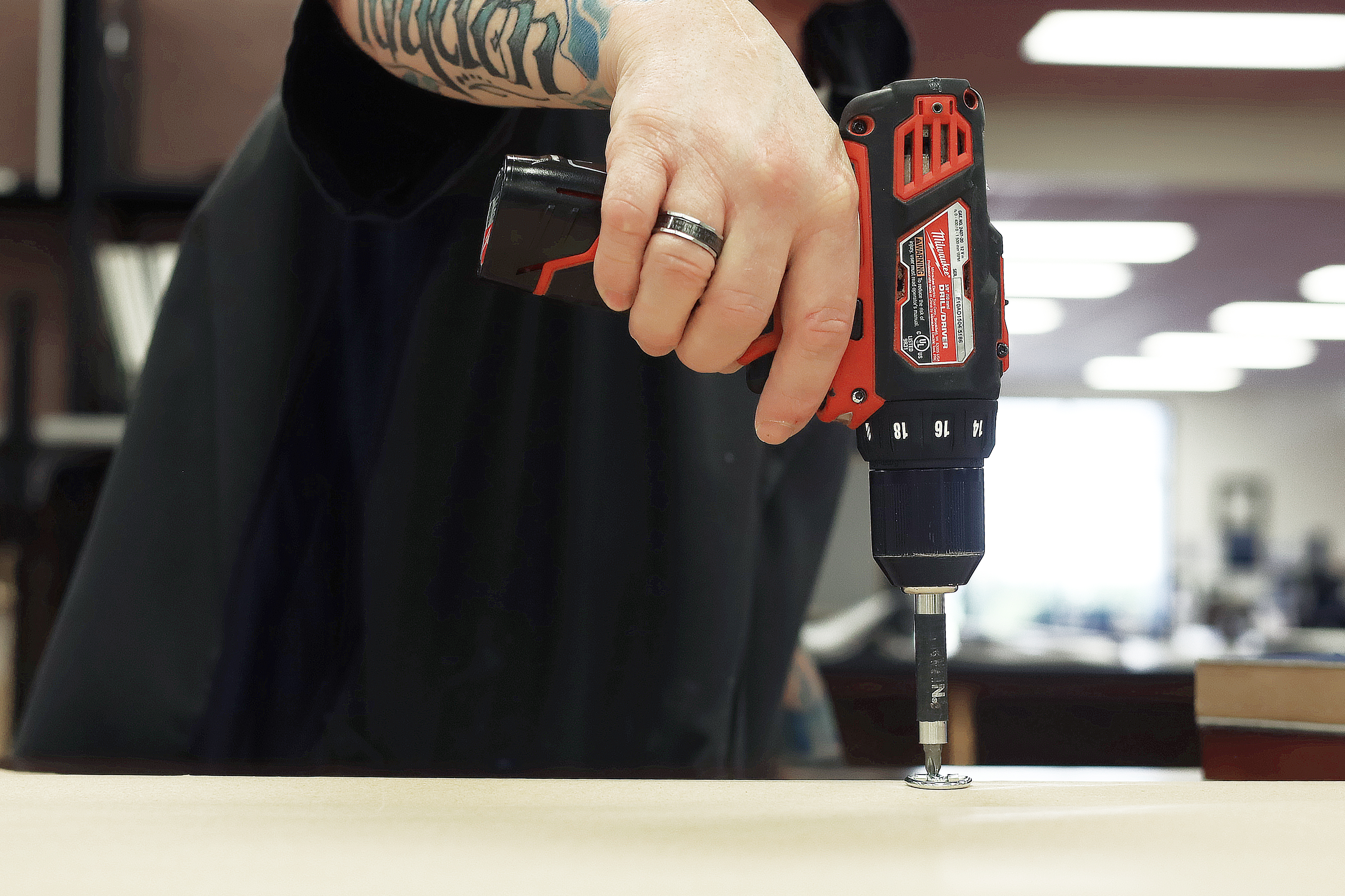
An integral component of the district’s mission is to provide inmates with marketable technical and soft (pro-social) skills necessary for them to successfully re-enter the job market upon release. The vocation program consists of the following initiatives:Vocational Classes
Work Keys Program
Credentialing Program
Many inmates are assigned to work areas such as prison industries, cafeteria, maintenance, waste management, and recycling. These inmates presently do not receive any documentation of work skills. This work certificate, credentialing program, will provide documented competencies or work skills for inmates. This credential is intended to increase an inmate’s employability upon release. A goal has been set to award, minimally, fifty certificates by June 30, 2008.
Back to Top